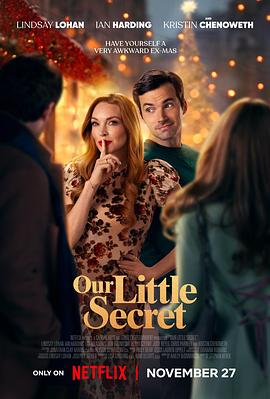
在发现各自的另一半是兄妹后,这两个心怀怨恨的前恋人必须在同一屋檐下度过圣诞节,同时隐瞒他们的恋爱史。
春江小学开展“人人争当红花少年”活动,每人只要得到五朵小红花,就能成为红花少年,领到2000次列车乘车证,参加夏令营活动。三年级一班同学都从平凡细小的事情做起,努力争得小红花。而以丁小东为首的四个小伙伴陈辉、汪明明和张浩却不以为然,他们认为做小事“没意思”,要“找一件大好事来做”。
故事发生在福建海口镇,林同善(于海 饰)和陈亚珍均生长于武术之家,两家人的关系因此十分淡漠。某日,侵华倭寇绑架了陈亚珍的孩子小毛头,此事恰巧被一位名叫上地完雄(于荣光 饰)的年轻武士撞见,上地完雄来中国,希望能够在这里磨炼技艺,正义感爆棚的他救下了小毛头,却在一场意外中含冤背负了杀人的罪名,只有小毛头一人知晓上地完雄的清白。 在南少林寺尚智大师的调解之下,林、陈两家放下恩怨,冰释前嫌。此时正值妈祖节,街道上涌动着游行欢庆的队列。在一片欢乐祥和的气氛下,日本人川岛和矢村正在酝酿着他们的阴谋,他们妄图盗取妈祖像上价值连城的夜明珠。
也是自导自演,精彩传神,不过是《发梦王大历险》现实版,对在地的我们更能悲喜入心脾。平庸男工作疏离,婚姻生活已无涟漪,周末野外跑是挪威振奋灵性的指定动作,那就起跑吧。带着内心独白,没有旁人眼睛,脑海没有审查,暴走两天。思绪很多三级,很多自恋,粗鄙也免不了。做只鼠做只鹰不要做老公!诅咒完人生,大自然叫他反省,旧事新愁,忽然有另种体会,再有出轨机会,人生轨道眼看要变了,可惜……旅程完了要回家,人像换了,又好像不,明天还会一样否?
故事紧接前三部。萌犬的家族越发壮大了,泰妮结婚了,生下了可爱的萌犬宝宝辛迪、罗希、查理和布罗迪。隆冬将至,泰妮迫不及待要跟自己的宝宝们共度他们降生后的第一个圣诞节。然而,比起和家人共度美好时光,小家伙们似乎更热衷于拼命搜刮礼物。为了让孩子们体会到圣诞节的真正含义,泰妮和老公筹划了一场萌犬好声音圣诞节特别节目,向家人演唱圣诞颂歌,并请来了神奇的圣诞老人和他的驯鹿!
入选2016年柏林国际电影节论坛单元。 在国外拍片失败之后,26岁的安娜回到故乡斯特拉斯堡。此时正值天气炎热,她首先要做的是把祖母的浴缸换成淋浴。此外,她吃着青豆胡萝卜配番茄沙司、开着保时捷、采摘黄香李,还丢了驾照,和最好的男性朋友发生了关系,最后又回到了前任男友的怀抱。总之,这个夏天,安娜忙碌于应付生活。
佐藤秀吉来到寅屋,向阿寅(渥美清 饰)透露他父亲临终前的遗言,希望他能投奔父亲的好友阿寅。孩子的母亲早已离家到外面的旅馆打工,对自己的丈夫失去了信心。阿寅迅速回到家里料理一切,考虑到孩子的处境,决定与孩子的母亲取得联系,并带着孩子沿着线索一路寻找。他们辗转家家户户,却始终未能找到孩子的母亲。在旅途中,孩子生病了。隔壁住着的隆子小姐热心地帮助阿寅照顾孩子,医生误以为他们是孩子的父母,直呼“孩子他爸”和“孩子他妈”。这一称呼让阿寅和隆子小姐感到温馨,彼此之间开始开起了玩笑,不料,电话那头的樱花却因此感到困惑不解。 这部电影的亮点在于描绘了阿寅这个平时随意而又缺乏责任感的人,在他四海为家、漂泊天涯的生活中,通过一系列巧合的遇见,似乎命运安排让他用自己的真诚和善良去感染人心。尽管他经历了一次次的感情失意,却像每天的日出日落一样,依旧坚信明天的太阳会升起。
克伦人也疯狂、猫咪葬礼、试图在封锁期间约炮— 妮可·拜耳在她的首部Netflix 喜剧特辑中大放荤俗笑料。
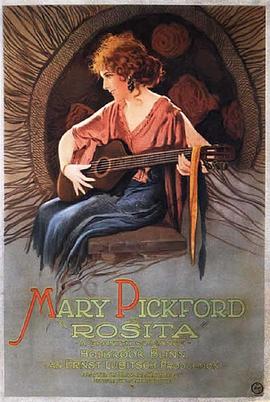
專題另一部默片來自德國的喜劇之王劉別謙,是他應美國傳奇女星瑪麗碧克馥之邀到荷里活執導的首部作品《風流歌女》(1923)。同是曲折的愛情故事,大師靈巧優雅的電影語言及自成一家的「劉別謙筆觸」,令美國觀眾為之傾倒。
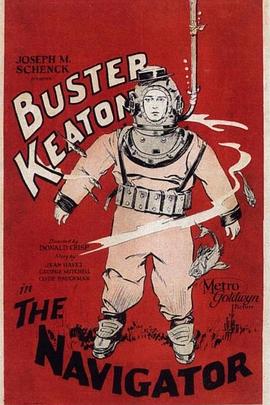
Wealthy Rollo Treadway (Buster Keaton) suddenly decides to propose to his neighbor across the street, Betsy O'Brien (Kathryn McGuire), and sends his servant to book passage for a honeymoon sea cruise to Honolulu. When Betsy rejects his sudden offer however, he decides to go on the trip anyway, boarding without delay that night. Because the pier number is partially covered, he ends up on the wrong ship, the Navigator, which Betsy's rich father (Frederick Vroom) has just sold to a small country at war. Agents for the other small nation in the conflict decide to set the ship adrift that same night. When Betsy's father checks up on the ship, he is captured and tied up by the saboteurs. Betsy hears his cry for help and boards the ship to look for him, just before it is cut loose. The Navigator drifts out into the Pacific Ocean. The two unwitting passengers eventually find each other. At first, they have great difficulty looking after themselves, but adapt after a few weeks. At one point, they sight a navy ship and hoist a brightly-colored flag, not realizing it signals that the ship is under quarantine. As a result, the other vessel turns away. Finally, the ship grounds itself near an inhabited tropical island and springs a leak. While Rollo dons a deep sea diving suit and submerges to patch the hole, the black natives canoe out and take Betsy captive. When Rollo emerges from the ocean, the natives are scared off, enabling him to rescue Betsy and take her back to the ship. The natives return and try to board the ship. After a fierce struggle, Rollo and Betsy try to escape in a small dinghy. It starts to sink, and the natives swiftly overtake them in their canoes. Just when all seems lost, a navy submarine surfaces right underneath them and they are saved.
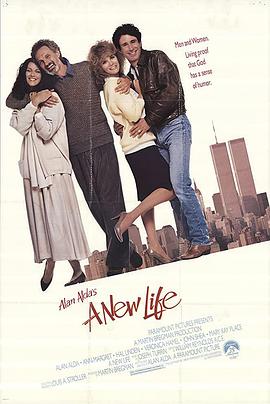
史提夫热衷于工作却冷落了妻子杰姬,杰姬为此深感不满并提出离婚,从此,这对中年男女各自开展他们的爱情新生活,但如何开始呢?毕竟他们已有二十多年没有和别的异性约会啦!擅长描绘都市中年人爱情心态的艾伦.阿尔达,继大受好评的《四季》与《甜蜜的自由》后再次自导自演一部刻画中年离婚夫妇尝试第二春的浪漫喜剧,并与常葆青春的女猫王安.玛格丽特搭档演出,在美国上映时大受欢迎。
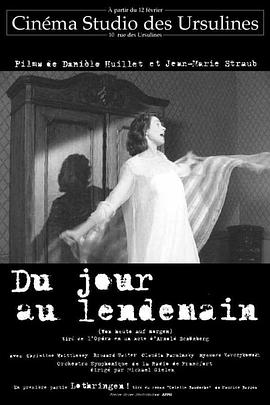
Based on an unknown Schönberg opera from 1929, From Today Until Tomorrow explores one night in a not-quite loveless marriage. A husband and wife return from a party where she has flirted with another man, while he has cast an appraising eye toward an attractive, fashionably dressed acquaintance of his wife’s. Though each dreams, briefly, of leaving the marriage for the excitement and mystery of a new lover, in the end they decide stability and comfort are more important than the fleeting thrill of new romance. Directors Jean-Marie Straub and Danièle Huillet, who previously collaborated on two other films about music (The Chronicle of Anna Magdalena Bach, 1968, and Moses and Aaron, 1975), rely on long fixed shots in austere black-and-white so that the focus remains on the musical brilliance of Schönberg’s atonal score, performed here by 70 musicians. That Schönberg would choose such a relatively lighthearted message for his newly discovered musical language remains a mystery, especially since the conclusion reached by the husband and wife—to stick with the tried and true—seems directly at odds with Schönberg’s own philosophy of composing. It is just this juxtaposition, however, coupled with Straub and Huillet’s faithful presentation, that makes the opera a compelling addition to the Schönberg canon—and the film such a challenging and intriguing experience.